

Steam generators have become essential equipment in modern industrial production, food processing, healthcare, and textile industries. A steam generator efficiently converts water into high-temperature steam, providing stable and reliable heat for a variety of applications. This article explores the benefits, working principles, applications, and tips for selecting the right steam generator.
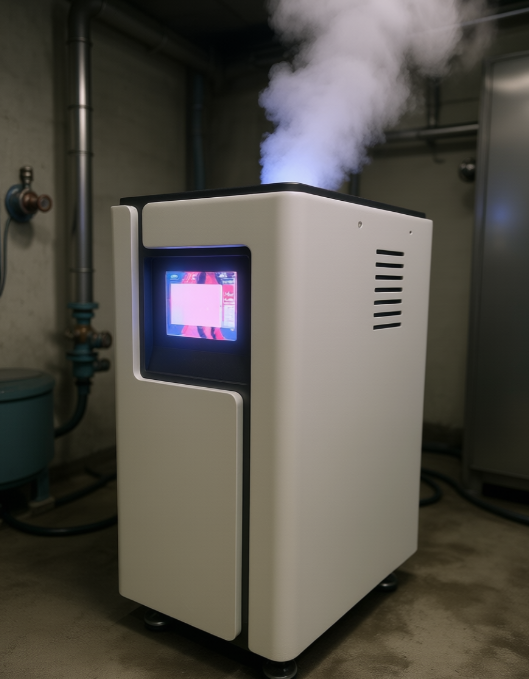

What is a Steam Generator
A steam generator is a device that produces steam by heating water. Depending on the heating method, it can be classified as:
Electric Steam Generators: Fast-heating, clean, and stable steam output. Ideal for laboratories, food processing, and pharmaceutical industries.
Gas-Fired Steam Generators: Use natural gas or LPG to generate large amounts of steam for industrial-scale production.
Oil-Fired Steam Generators: Use fuel oil for heating, suitable for locations without gas supply or specific industrial needs.
Modern steam generators typically feature automatic water supply, temperature control, and multiple safety protections to ensure safe and continuous operation.
Advantages of Steam Generators
Rapid Steam Production: Electric steam generators can produce steam within minutes, reducing waiting times and improving efficiency.
Energy Efficiency and Eco-Friendly: Intelligent controls and high-efficiency heating elements help reduce energy consumption and environmental impact.
Safety and Reliability: Equipped with water level sensors, pressure control, and overheat protection to ensure safe operation.
Compact and Easy to Install: Space-saving design makes it suitable for factories, laboratories, and small production lines.
Simple Operation: Minimal human intervention required; plug in, set the temperature, and start operation.
Applications of Steam Generators
Steam generators are widely used in multiple industries:
Food Processing: Cooking, steaming, sterilization, and cleaning equipment.
Healthcare: Laboratory sterilization, medical disinfection, and hospital laundry.
Chemical Industry: Heating reaction vessels, wet processing, and cleaning.
Textile and Dyeing: Fabric dyeing, steaming, and equipment cleaning.
Beauty and Wellness: Steam saunas, SPA steam rooms, and wellness treatments.
How to Choose the Right Steam Generator
When selecting a steam generator, consider:
Steam Output: Choose the appropriate capacity and power based on your production needs.
Heating Method: Electric heating for fast, small-scale operations; gas or oil for high-volume industrial use.
Safety Features: Ensure automatic shutdown, overheat protection, and dry-burning prevention.
Brand Reputation and After-Sales Service: Select a reliable manufacturer with global support to reduce downtime and maintenance costs.
Conclusion
A high-quality steam generator is a versatile and essential piece of equipment for modern industrial and commercial operations. It delivers fast, stable, and energy-efficient steam while ensuring safety and ease of use. With ongoing advancements in smart, energy-saving, and environmentally friendly technology, steam generators are set to play an even bigger role in improving productivity, quality, and operational efficiency across industries.